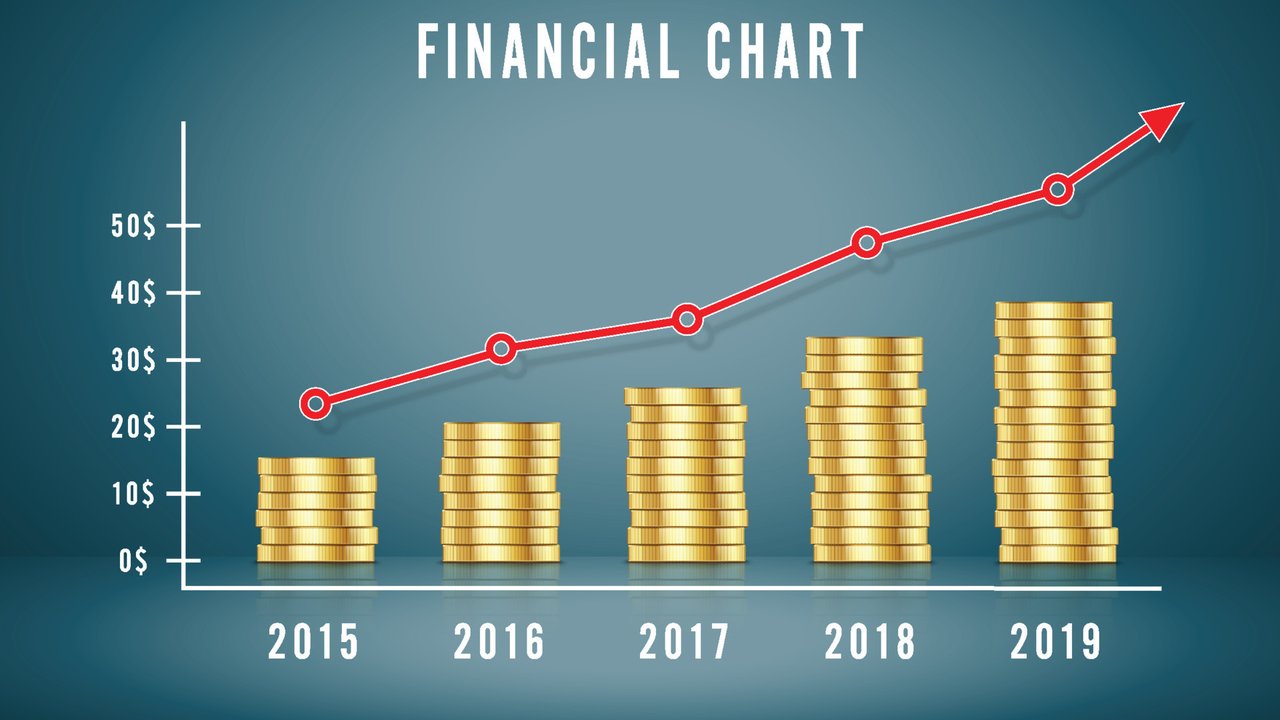
Modern American wealth creation has undergone a quiet structural revolution over the past decade. While day trading and meme stocks capture mainstream...
Modern American wealth creation has undergone a quiet structural revolution over the past decade. While day trading and meme stocks capture mainstream media attention, institutional-grade discipline has quietly migrated to retail portfolios via automated dollar-cost averaging mechanisms. For the uninitiated, navigating the complexities of domestic equity and fixed-income markets often feels akin to traversing a financial labyrinth without a compass. Yet, the foundational architecture of long-term capital accumulation relies less on market timing and far more on consistent, automated capital deployment. This methodical approach transforms erratic market volatility from a psychological liability into a mathematically advantageous engine for wealth generation.
To understand the mechanics of this strategy within the United States market, one must first deconstruct the core methodology. A Systematic Investment Plan, traditionally recognized in global markets and increasingly adopted by forward-thinking American brokerages, automates the acquisition of mutual funds, exchange-traded funds, or specialized enterprise-grade financial portfolios at regular, predetermined intervals. Whether an investor allocates capital weekly, bi-weekly, or monthly, the fundamental premise remains unyielding: remove human emotion from the equation. By committing a fixed dollar amount regardless of whether the S&P 500 is surging or plummeting, participants automatically purchase fewer shares when prices are high and acquire a larger volume of units during market corrections.
Implementing this strategy effectively within the US regulatory framework demands an understanding of brokerage infrastructure and tax-advantaged accounts. Investors must first select a qualified custodian or platform that offers robust portfolio management tools and minimal transaction friction. Leading institutional providers and specialized financial services firms now offer seamless API integrations and automated clearing house setups, allowing participants to link their primary checking accounts directly to diversified asset baskets. Choosing the right platform involves scrutinizing expense ratios, management fees, and the availability of fractional shares, which ensure that every single dollar contributed goes immediately to work in the market rather than sitting idly in cash reserves.
Once the operational foundation is established, the critical next phase involves asset allocation and risk tolerance alignment. Modern portfolio theory suggests that no single asset class should bear the entire burden of long-term financial security. American investors must evaluate their personal investment horizons, factoring in variables such as retirement milestones, real estate aspirations, or generational wealth transfer goals. A well-constructed systematic plan often begins with broad-market index funds tracking domestic large-cap equities, supplemented by international exposure, specialized sector funds, or fixed-income instruments designed to cushion against unexpected macroeconomic downturns and inflationary pressures.
The psychological dimension of automated investing cannot be overstated. Behavioral economists frequently cite loss aversion as the primary culprit behind retail investor underperformance, as panic selling during market troughs locks in permanent capital destruction. Systematic contributions insulate participants from their own worst impulses by enforcing a rigid, programmatic buying schedule. When a market downturn occurs, the automated nature of the plan ensures that the investor continues buying high-quality assets at a discount. This disciplined repetition builds robust psychological resilience, transforming market volatility from a source of acute anxiety into an anticipated opportunity for enhanced unit accumulation over extended time horizons.
Tax efficiency represents another critical pillar for US-based participants utilizing these strategies. Integrating systematic investment schedules with vehicles such as Traditional IRAs, Roth IRAs, or employer-sponsored plans like 401(k) accounts can radically alter net compounding returns over a multi-decade timeline. Capital gains taxes and dividend distributions can severely erode compounding velocity if managed within standard taxable brokerages without strategic oversight. Sophisticated investors frequently consult with certified financial planners or utilize advanced tax-loss harvesting software to optimize their asset locations, ensuring that high-yield instruments reside in tax-deferred or tax-exempt environments while maintaining strict compliance with Internal Revenue Service guidelines.
Strategic Insights and Market Outlook
As macroeconomic conditions shift in response to federal monetary policy, inflation metrics, and shifting labor markets, the rigid framework of a regular investment schedule provides a vital anchor. Rather than attempting to outguess interest rate trajectories dictated by the Federal Reserve, the systematic investor relies on the mathematical certainty of compounding over time. This approach aligns closely with institutional investment philosophies utilized by pension funds and endowments, which prioritize steady capital allocation over speculative maneuvers. By treating wealth accumulation as a recurring operational expense rather than a discretionary luxury, individuals effectively mirror the balance sheet management strategies of successful modern enterprises.
Scaling these investments requires continuous portfolio rebalancing to prevent asset allocation drift. Over extended periods, outperforming asset classes will naturally expand their share of the total portfolio weight, inadvertently skewing the intended risk profile. Periodic reviews—conducted semi-annually or annually—allow investors to trim overexposed sectors and redirect capital toward underrepresented asset classes without disrupting the underlying automated mechanics. This disciplined maintenance ensures that the portfolio remains tightly calibrated to the investor's evolving financial objectives, risk appetite, and proximity to major life milestones.
The democratization of sophisticated financial tools means that everyday earners now have access to strategies previously reserved for high-net-worth individuals and corporate treasuries. Specialized insurance products, enterprise solutions for self-employed professionals, and automated portfolio rebalancing algorithms have lowered the barrier to entry significantly. However, this accessibility places the onus squarely on the individual to educate themselves regarding fee structures, fiduciary standards, and macroeconomic indicators. Diligence in selecting low-cost funds and avoiding predatory financial products is the ultimate determinant of long-term net yield.
Looking toward the horizon, the intersection of financial technology and automated investing points toward even greater personalization and efficiency. Artificial intelligence-driven advisory platforms are beginning to offer hyper-customized asset allocations that dynamically adjust based on real-time spending habits, credit scores, and localized economic data. Yet, despite these technological advancements, the timeless principle of disciplined, systematic capital deployment remains the undisputed cornerstone of financial independence. Those who master this foundational technique position themselves to weather economic uncertainty with confidence, transforming steady inputs into substantial, enduring wealth.
For the US retail investor navigating this landscape, the practical execution of a Systematic Investment Plan—most commonly operationalized through automated, recurring transfers into broad-market index funds or exchange-traded funds (ETFs)—demands a clear-eyed look at operational mechanics and custodial platforms. Modern brokerages such as Charles Schwab, Fidelity, and Vanguard have effectively democratized fractional-share trading, enabling investors to execute automated dollar-cost averaging strategies with zero commission fees. By establishing a weekly or monthly ACH transfer tied directly to low-cost vehicles like the Vanguard Total Stock Market Index Fund (VTSAX) or its ETF equivalent (VTI), investors bypass the psychological friction of market timing. This structural automation aligns perfectly with the IRS-mandated contribution limits for tax-advantaged accounts like Roth IRAs and Traditional IRAs, allowing automated deployment to work in tandem with long-term tax optimization strategies.
Transitioning from theory to tactical execution requires a structured, multi-phase framework tailored to the unique regulatory and tax architecture of the United States. Step one involves selecting a fiduciary-aligned online brokerage that supports fractional shares and automated recurring investments, ensuring that capital is deployed immediately upon clearing without idle cash drag. Step two is the asset allocation phase, where investors typically anchor their portfolios in core equity indices—such as the S&P 500 or the MSCI USA Investable Market Index—while strategically layering in fixed-income or international exposures based on their personal risk tolerance and time horizon. Step three is the establishment of the recurring calendar schedule, ideally synchronizing capital injections with primary income receipts to enforce a 'pay-yourself-first' model. Finally, step four mandates an annual portfolio rebalancing ritual, ensuring that asset drifts caused by market volatility are systematically corrected without disrupting the underlying automated engine.
Yet, optimizing a US-based SIP strategy extends beyond mere asset selection; it requires navigating the subtle nuances of fee drag and tax-efficient account structuring. While a standard taxable brokerage account offers maximum liquidity, directing your systematic contributions through tax-advantaged vehicles like a Roth IRA shields your compounding gains from capital gains taxes and qualified dividends from federal income tax. Furthermore, investors must remain vigilant regarding the expense ratios of their chosen funds. Even a seemingly negligible 50-basis-point management fee can siphon away tens of thousands of dollars over a thirty-year compounding horizon. By rigorously filtering for ultra-low-cost index funds—those boasting expense ratios under 0.05%—and automating the infusion of capital, the modern investor constructs a resilient, self-sustaining wealth-generation apparatus designed to weather secular market cycles and outpace inflation over the long haul.