Your Essential SIP Guide to Ensuring Employment Legal Compliance Successfully
AI Generator
Health Expert
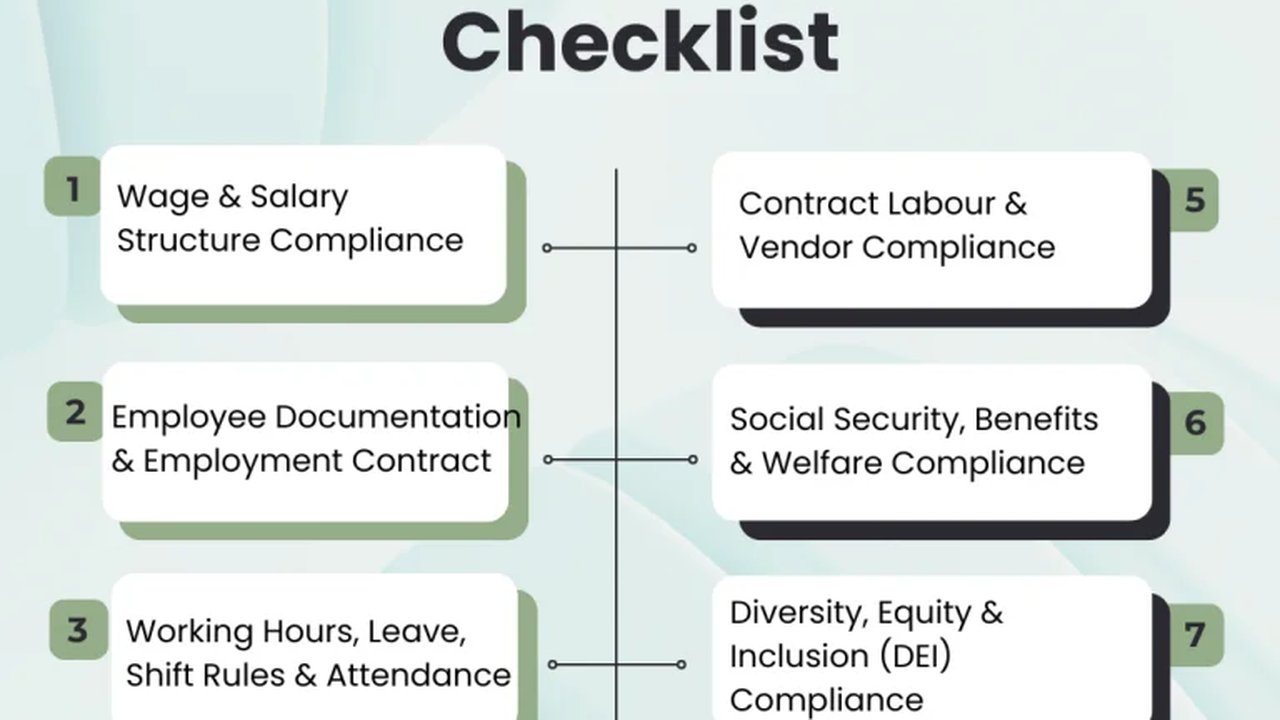
The modern British corporate landscape is undergoing a profound regulatory metamorphosis, driven by evolving workforce dynamics, stringent statutory u...
The modern British corporate landscape is undergoing a profound regulatory metamorphosis, driven by evolving workforce dynamics, stringent statutory updates, and a zero-tolerance approach to corporate infractions. For enterprises operating within the United Kingdom, maintaining robust employment legal compliance is no longer a peripheral administrative checkbox; it is a core pillar of strategic enterprise risk management. Navigating this intricate web of employment legislation requires more than reactive troubleshooting—it demands a sophisticated, systematic approach that safeguards organizational longevity. As labor tribunals witness a surge in complex litigation and regulatory bodies increase their scrutiny, executive leadership must adopt comprehensive frameworks to protect their human capital investments while mitigating financial exposure.
At the heart of this operational resilience lies the necessity for structured institutional guidance, echoing the proactive compliance initiatives seen in global economic hubs. Enterprises must transition away from fragmented HR policies toward integrated enterprise solutions that synchronize statutory mandates with daily operational workflows. In the UK market, where employment law is deeply rooted in both statutory acts and evolving common law precedents, overlooking minor regulatory shifts can trigger catastrophic financial and reputational fallout. Implementing a rigorous compliance architecture ensures that organizations remain insulated from unforeseen liabilities, ranging from wage disputes and discrimination claims to non-compliant contractor classifications and complex redundancy procedures.
To achieve this level of institutional security, organizations must first conduct comprehensive internal audits of their existing employment frameworks. This diagnostic phase involves scrutinizing employment contracts, handbook policies, payroll methodologies, and grievance resolution procedures against the backdrop of current UK legislation. Specialized services and legal advisory partners play an indispensable role here, offering objective, third-party evaluations that highlight latent vulnerabilities before they manifest as costly tribunal claims. By embedding proactive compliance checks into the corporate DNA, firms can streamline their human resources operations while fostering a transparent, legally sound working environment that attracts top-tier talent.
Financial and insurance mechanisms also serve as vital shock absorbers within a comprehensive compliance strategy, shielding balance sheets from the unpredictable costs of employment litigation. Modern corporate finance teams are increasingly allocating resources toward specialized employment practices liability insurance and dedicated legal retainers to manage risk effectively. Integrating financial planning with regulatory compliance ensures that unexpected legal challenges do not derail strategic growth initiatives or compromise liquidity. Furthermore, maintaining clear audit trails and documented compliance metrics provides tangible reassurance to institutional investors and stakeholders who prioritize robust corporate governance and ethical labor practices.
The regulatory environment within the United Kingdom is characterized by continuous legislative evolution, particularly regarding flexible working rights, holiday pay calculations, and data protection in the workplace. Staying ahead of these regulatory curves requires continuous executive education and a dynamic approach to policy formulation. Enterprises that treat compliance as a static destination rather than an ongoing journey invariably fall behind. Forward-thinking organizations are now establishing dedicated compliance committees tasked with monitoring legislative updates, interpreting complex statutory nuances, and translating them into actionable, company-wide operational guidelines that protect both the employer and the employee.
Technology is rapidly redefining the compliance landscape, offering sophisticated software platforms that automate tracking, reporting, and policy dissemination across distributed workforces. Leveraging advanced B2B technological infrastructure allows human resources departments to monitor compliance indicators in real time, from right-to-work verifications to working time directive limits. This digital transformation significantly reduces the margin for human error, which remains a primary catalyst for regulatory breaches. However, technology must be paired with human expertise; algorithmic tools can flag discrepancies, but seasoned employment specialists are required to interpret context and apply nuanced legal reasoning to complex workplace scenarios.
Strategic Insights and Market Outlook
Training and development form the bedrock of sustainable compliance, ensuring that middle management and supervisory staff understand their legal responsibilities on the ground. Often, employment tribunals arise not from malicious corporate policy, but from unconscious bias or procedural missteps by line managers who lack adequate regulatory awareness. Investing in comprehensive, mandatory training programs across all tiers of leadership creates a culture of accountability and mindfulness. When every leader within an organization acts as a guardian of compliance, the overall risk profile diminishes dramatically, fostering a more equitable, productive, and legally secure corporate culture.
As cross-border remote work and hybrid employment models become permanent fixtures of the UK economy, jurisdictional complexities have multiplied exponentially. Employers must navigate the intricate interplay between UK employment law and international regulations when managing globally mobile talent or remote workers residing outside domestic borders. This requires a sophisticated understanding of tax domiciles, local labor rights, and cross-border data transfer protocols. Developing specialized internal policies for remote and hybrid teams is no longer optional; it is a critical safeguard against multi-jurisdictional compliance failures that can severely penalize unwary enterprises.
The financial ramifications of non-compliance extend far beyond direct tribunal awards and legal fees; they strike at the core of brand equity and employer branding. In an era where consumers and prospective employees heavily scrutinize corporate governance, a public employment lawsuit or regulatory sanction can irreparably damage an organization's market standing. Conversely, firms that visibly champion robust employment standards and fair labor practices enjoy a distinct competitive advantage in talent acquisition and retention. Consequently, strategic legal compliance should be viewed not merely as a defensive shield, but as a proactive value driver that enhances overall enterprise valuation and market trust.
Looking toward the horizon, the UK regulatory framework is poised for further tightening, with anticipated legislative reforms focusing on workers' rights, artificial intelligence in hiring, and enhanced equality mandates. Enterprises that fail to future-proof their operations risk finding themselves perpetually reactive, scrambling to catch up with legislative mandates while absorbing escalating compliance costs. By establishing a dynamic, future-looking compliance strategy today, organizations can insulate themselves against regulatory shocks and position themselves for sustainable, long-term growth. The mandate is clear: proactive alignment with employment law is the ultimate prerequisite for enduring commercial success in a complex modern economy.
Navigating this labyrinthine statutory landscape demands more than a passive understanding of the Employment Rights Act 1996 or the Equality Act 2010; it requires an institutionalised methodology. This is where an operationalised Statutory Induction Process (SIP) guide transitions from a standard Human Resources checklist into a vital corporate governance instrument. In the contemporary British jurisdiction, where Employment Tribunal awards are increasingly uncapped for discrimination claims and statutory redundancy calculations are subject to shifting indexation, onboarding and continuous compliance tracking serve as the primary line of defence. Recent data from the HM Courts and Tribunals Service underscores a sustained surge in multi-jurisdictional claims—particularly concerning whistleblowing and flexible working disputes—highlighting that legal vulnerabilities frequently crystallise during the critical first one hundred days of employment. A robust SIP framework systematically mitigates this exposure by embedding mandatory compliance milestones, verified policy acknowledgements, and structured competency assessments directly into the employee lifecycle from day one.
Operationalising this standard across complex, multi-tiered enterprise structures calls for a granular, auditable digital infrastructure. Modern UK employers are leveraging sophisticated SIP guide software integrated with HRIS platforms to automate the dissemination of updated statutory guidelines, such as the latest Acas codes of practice on disciplinary and grievance procedures. This technological pivot is not merely about administrative efficiency; it provides an immutable audit trail—a critical evidentiary asset should an enterprise face rigorous scrutiny from the Gangmasters and Labour Abuse Authority (GLAA) or face defending an unfair dismissal claim. Furthermore, with the UK's Information Commissioner’s Office (ICO) enforcing strict compliance regarding employee data privacy under the UK GDPR, a digitized SIP ensures that mandatory privacy notices and consent protocols are administered with cryptographic precision, shielding the organisation from severe regulatory penalties that can reach up to £17.5 million or 4% of global annual turnover.
Ultimately, mastering the mechanics of a compliant SIP guide represents a distinct competitive arbitrage for executive leadership teams operating within the British market. Beyond the immediate calculus of risk mitigation and avoidance of costly litigation, a meticulously executed induction protocol directly influences employee retention, cultural alignment, and enterprise valuation during mergers and acquisitions. Corporate acquirers routinely perform rigorous legal due diligence focusing explicitly on historical employment practices, unpaid holiday pay liabilities under the Working Time Regulations 1998, and off-payroll working (IR35) classifications. Enterprises that can instantaneously present a pristine, standardized SIP audit history across their entire workforce signal superior operational maturity to investors and regulators alike. In an economic climate defined by regulatory velocity, transforming statutory obligations into a seamless, automated induction workflow is no longer an optional administrative refinement—it is the definitive cornerstone of resilient corporate stewardship.